I’m terminally stressed out, and it’s all my fault.
I’m guilty of spreading myself too thin. Too much going on in my head and not enough time to make most of it reality. Everyone is busy, I understand that. I’m no different from anyone in that regard. I’m not a special snowflake, except for in the same way that each of us is a special snowflake. But I’m not talking about the usual challenges of juggling a full-time job with parenting and dealing with things like unexpected and very expensive home-reno projects (hello, City of Vancouver!), flat tires, terminally ill pets, and everything else that makes modern life stressful.
I’m talking about the added pressure I put on myself, which is largely voluntary. You see, I was unlucky enough to have been born a creative person, or at least a person with a drive to be creative. (I make no great claims about the quality of my output.) Maybe unlucky is too strong a word. The real problem is one of focus.
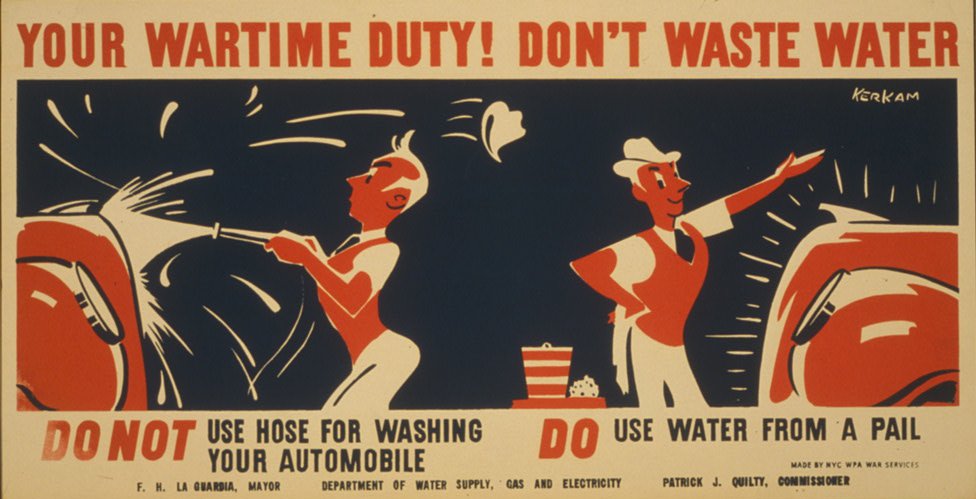
If my creative energy is a finite reservoir of water, and each of my creative outlets is an empty pail… well, you see where I’m going with this. The more pails I try to fill, the less water each pail gets. In other words, in trying to do many things, I am inevitably doing a bunch of them in a half-assed way. And I really should be putting my whole ass in, amirite?
What’s on my plate?
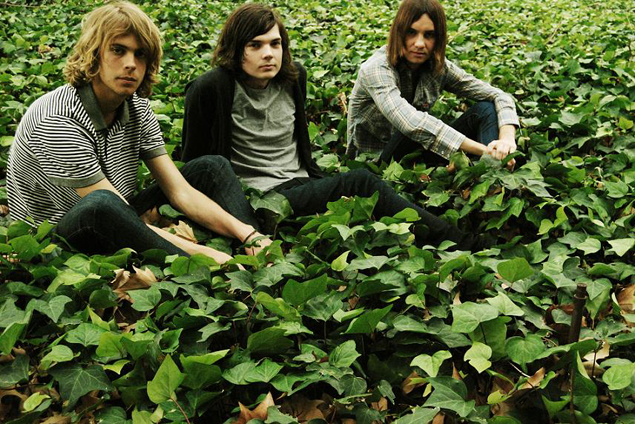
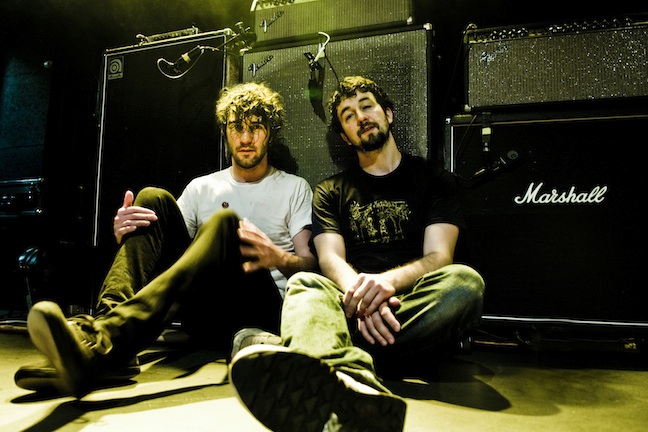
- Playing in a couple of different bands. I did this for several years in the 2000s, too, and I managed to record albums and do some touring with two bands I was in simultaneously. But back then I wasn’t a dad, and I guess I was a lot more driven to do music and succeed at some sort of indie-rock level. And I had enough free time to rehearse three nights a week, every week.
- Making my own music. I have this little electronic-music thing that I putter away at occasionally. Actually, if I were to count how many months it has been since I even opened any of the Pro Tools sessions, I would probably get depressed.
- Blogging. Well, I’m doing it right now, instead of doing anything else, right? I also have this blog, which hasn’t been updated since June. And I just started a Tumblr page about 20th century B.C. art. I can get away with being lazy with that one, because it’s mostly visual, but of course I feel driven to create original content for it. I’m also trying to learn HTML and various other design things. Fun!
- Writing. Various unfinished (and in some cases, un-started) screenplays and novels. I can’t really write fiction. But some part of me keeps telling me I should try. I should find that part of myself and murder the little bastard in its sleep. (Hey, that was fiction!)
- Photography. I don’t devote much time to this (because I don’t have any), and most of my photos are of my son and the nature walks we take. But I would like to improve my skills, because it’s a fun and fulfilling hobby. I can spend hours in Photoshop. But I probably shouldn’t.
There’s more, but I’m sure you get the point. Someone recommended a book to me recently: Making Ideas Happen by Scott Belsky. I haven’t read it yet, but here’s what was conveyed to me: if you want to do something well, you need to focus your energy on that one thing. I can’t do only one thing. But I can do fewer things all at the same time. If that means saying no to things my creatively driven self wants to say yes to, so be it. What will I focus on, and what will be consigned to the back burner? I don’t know yet. But if this is the last time I post to this blog this year, you’ll know why.